Board games have been a staple of family entertainment for decades, providing a platform for social interaction, healthy competition, and learning. Among the various types of board games, those focused on educational content, such as math, have gained popularity for their ability to make learning fun and engaging. A DIY addition board game is a great way to encourage math skills in children and adults alike, offering a personalized and cost-effective alternative to commercial games.
The concept of creating your own board game might seem daunting, but it’s actually a straightforward process that can be tailored to different age groups and skill levels. By incorporating basic addition principles into a game format, individuals can enhance their math fluency while enjoying quality time with family and friends. This approach not only fosters a deeper understanding of mathematical concepts but also promotes bonding and teamwork.
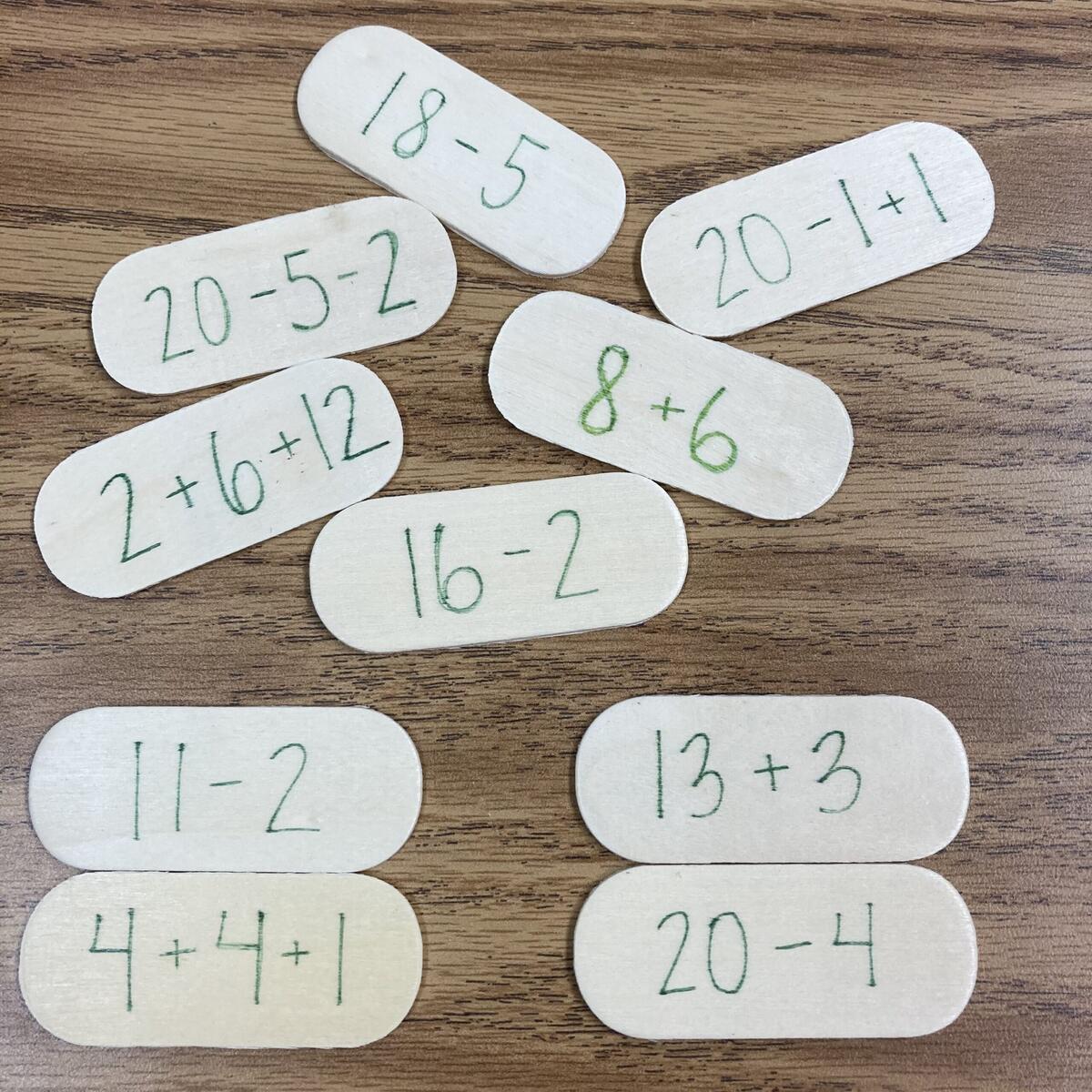
10 Ideas To Make Your Own Math Games Charmed By Challenge
Benefits of DIY Addition Board Games
One of the primary benefits of DIY addition board games is their flexibility and customization. Unlike store-bought games that come with fixed rules and designs, a homemade game can be adapted to suit the players’ preferences and abilities. For instance, the level of difficulty can be adjusted by changing the range of numbers used in the game, making it suitable for both beginners and advanced players. Additionally, the game can be themed according to the players’ interests, incorporating elements such as favorite characters or colors to make the learning experience more enjoyable.
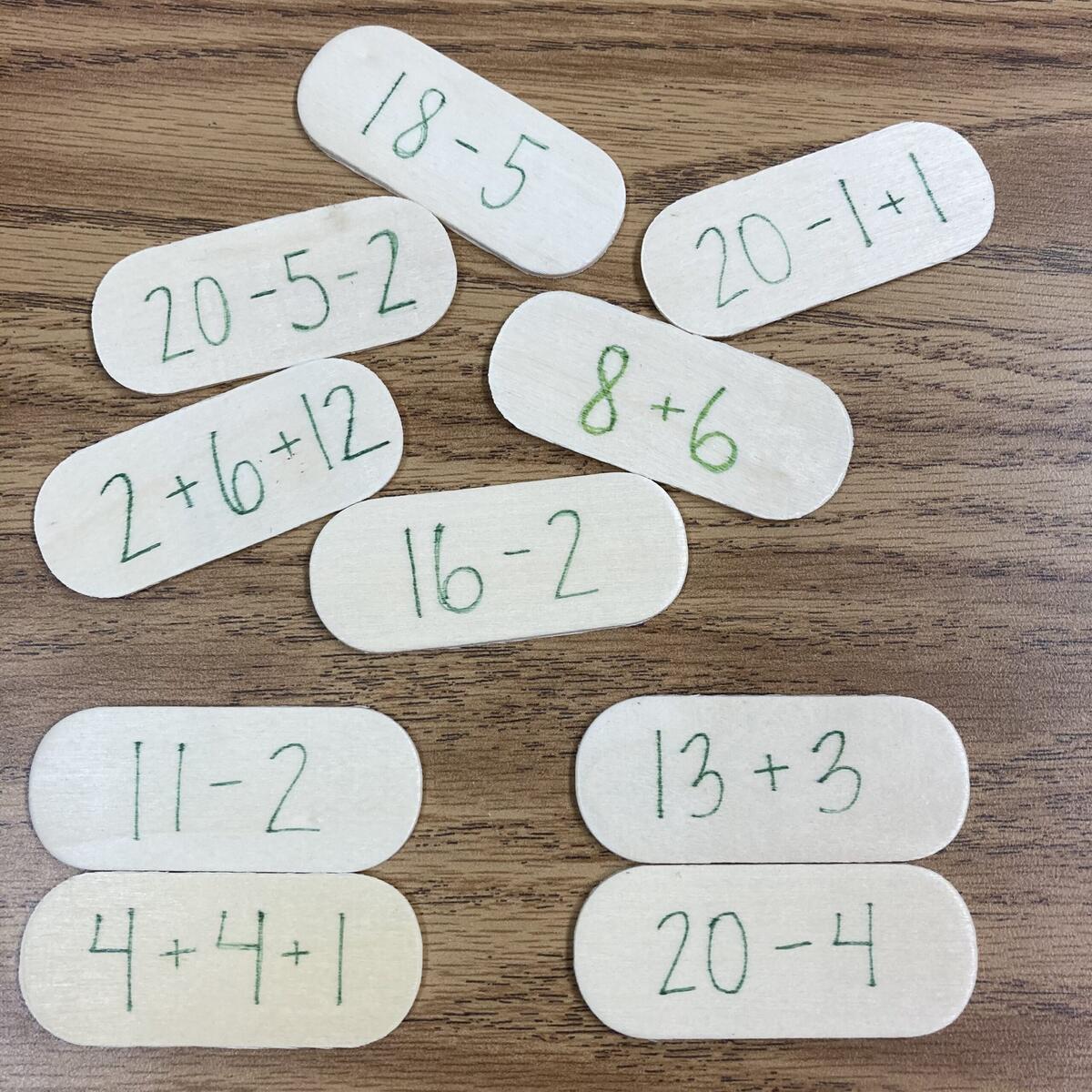
10 Ideas To Make Your Own Math Games Charmed By Challenge
Materials Needed for the Game
To start creating a DIY addition board game, several materials are needed. These include a large piece of cardboard or poster board to serve as the game board, markers or paint for designing the board, dice for determining player movement, and small tokens or coins for player markers. Optional materials might include printed number cards, a scoreboard, and decorative items to enhance the game’s appearance. Having these materials ready will streamline the process of bringing your DIY game to life.
Step-by-Step Instructions to Create the Game
The process of creating the game involves several steps. First, design the game board, deciding on the layout and any additional features such as bonus squares or obstacles. Next, create the number cards or dice that will be used for the addition problems. Players roll the dice or draw cards and move the corresponding number of spaces, where they might encounter an addition problem to solve. If they answer correctly, they stay on the space; otherwise, they return to the start. This simple mechanism can be expanded upon with additional rules or challenges to keep the game exciting.
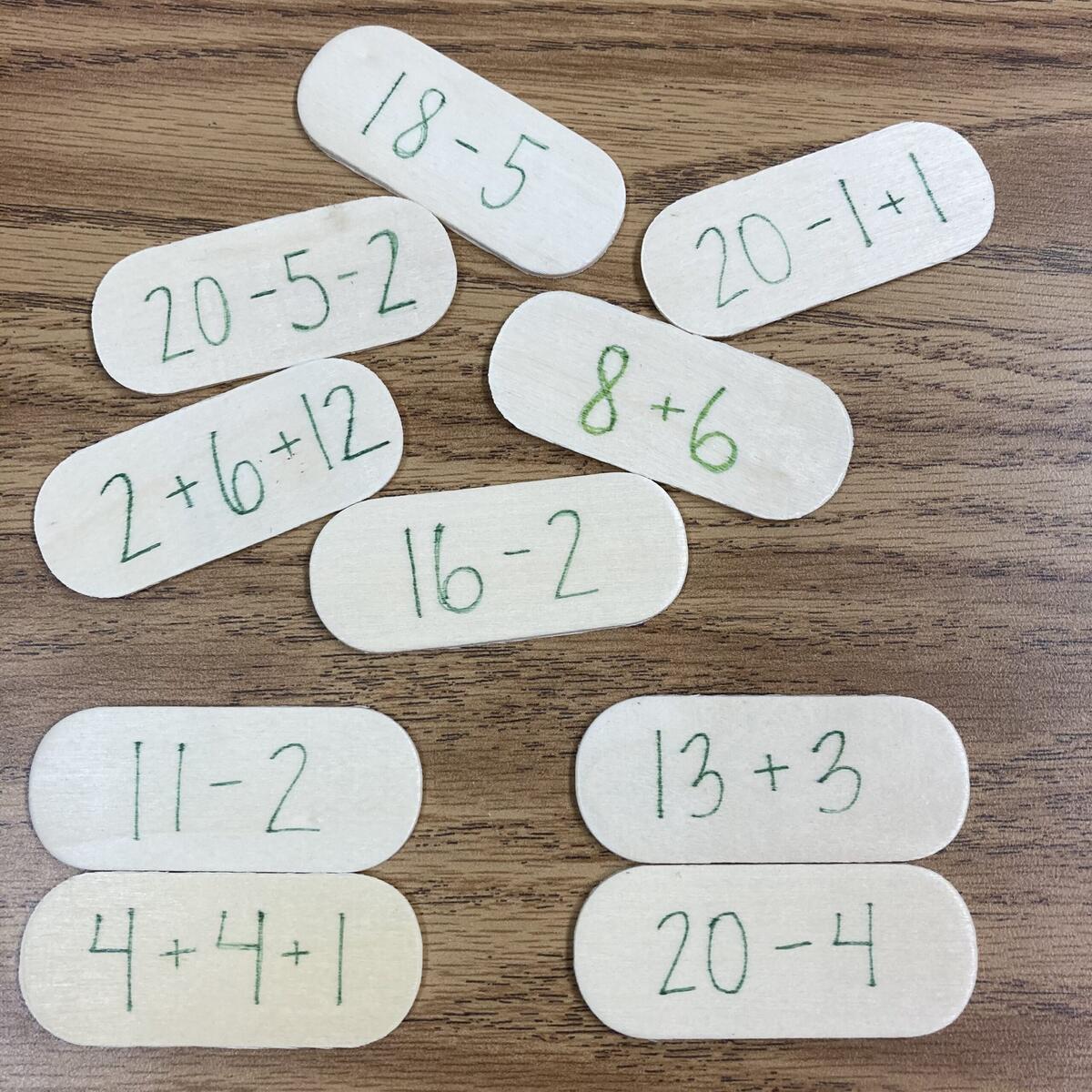
10 Ideas To Make Your Own Math Games Charmed By Challenge
Finally, the DIY addition board game offers a unique opportunity for creativity and engagement. By involving children in the creation process, they can take ownership of their learning, developing not only their math skills but also their problem-solving abilities and creativity. Adults can also benefit from this interactive approach to math practice, making it a fun and challenging way to stay mentally active. Whether used in a classroom setting or at home, a DIY addition board game is a valuable tool for making math education more accessible and enjoyable.
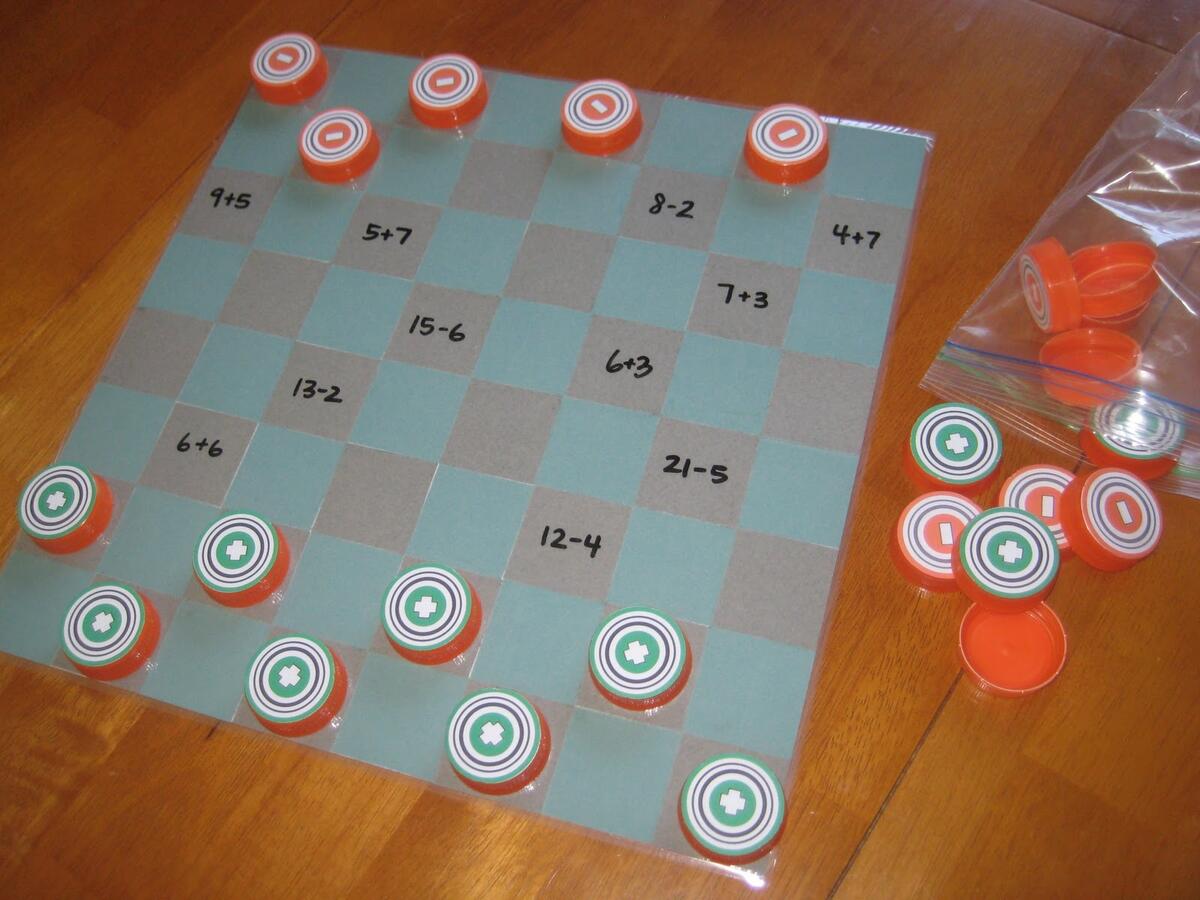
Relentlessly Fun Deceptively Educational DIY Checkers With Addition And Subtraction
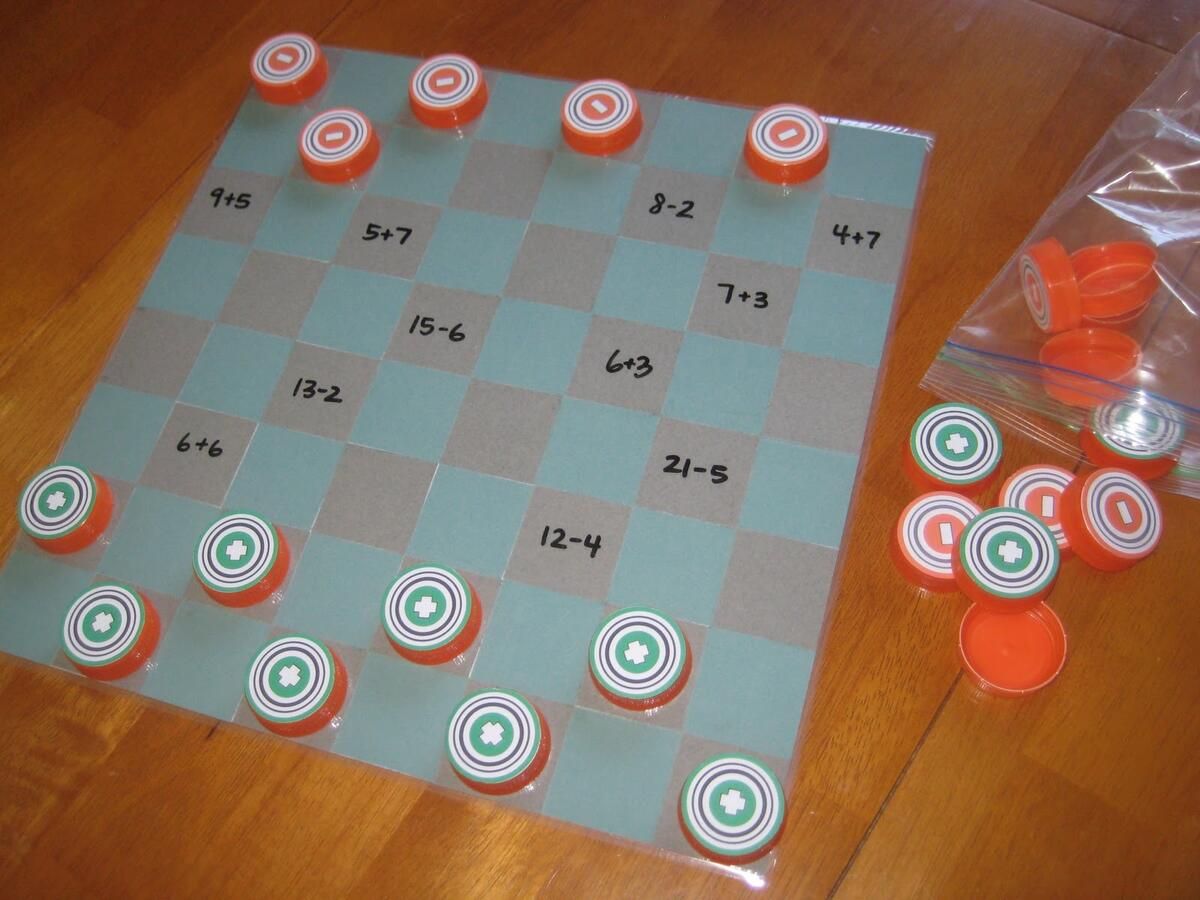
Relentlessly Fun Deceptively Educational DIY Checkers With Addition And Subtraction