Addition is a fundamental math concept that grade 1 students need to grasp to build a strong foundation in mathematics. At this stage, students are introduced to basic addition facts, which involve adding single-digit numbers. Understanding these facts is crucial for more complex math operations later on. As a parent or educator, it’s essential to make learning addition facts engaging and enjoyable for your child.
Grade 1 students are naturally curious, and they learn best through hands-on experiences and visual aids. When teaching addition facts, it’s vital to use a variety of methods to cater to different learning styles. You can use number lines, counting blocks, or even everyday objects to demonstrate addition concepts. By making learning fun and interactive, you can help your child develop a positive attitude towards math and build their confidence in solving addition problems.
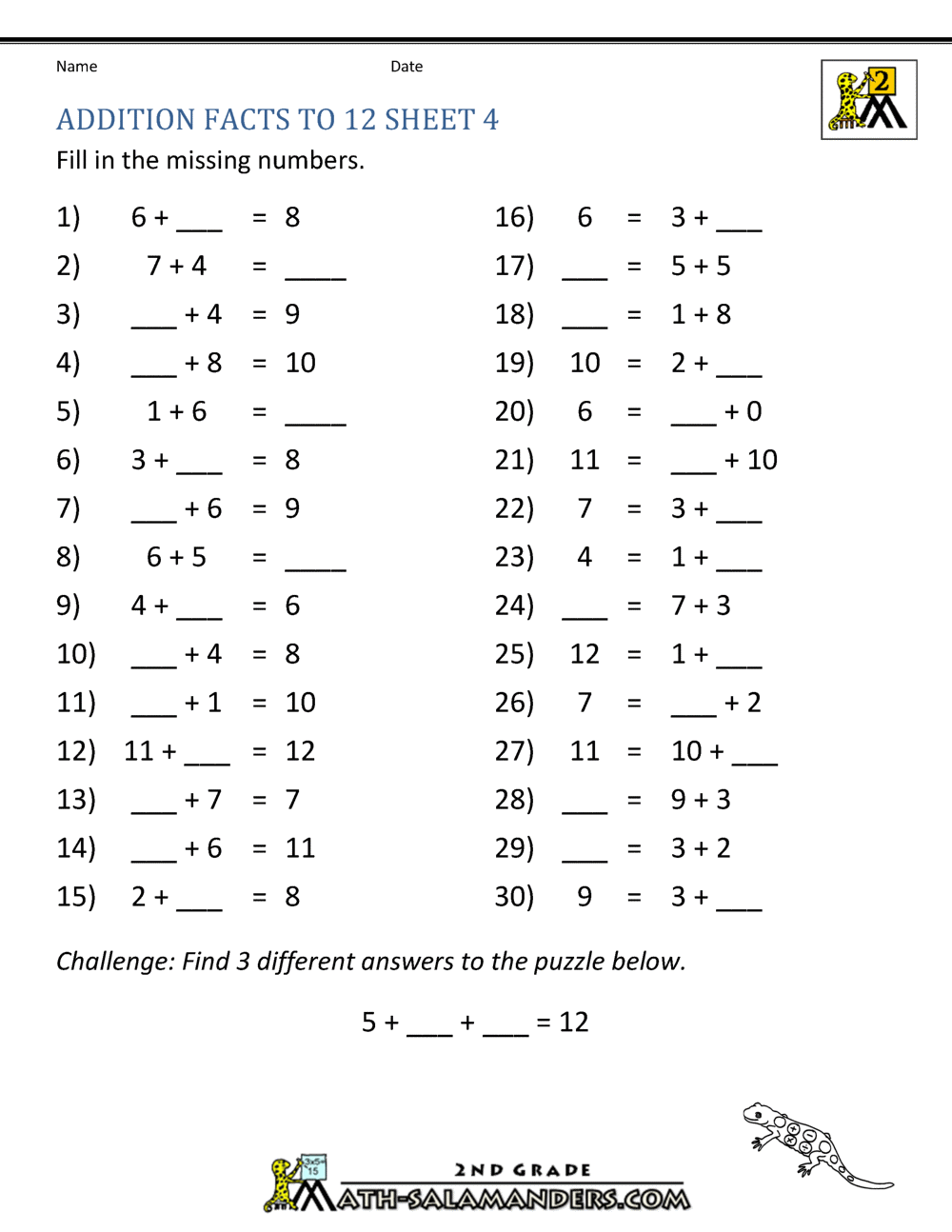
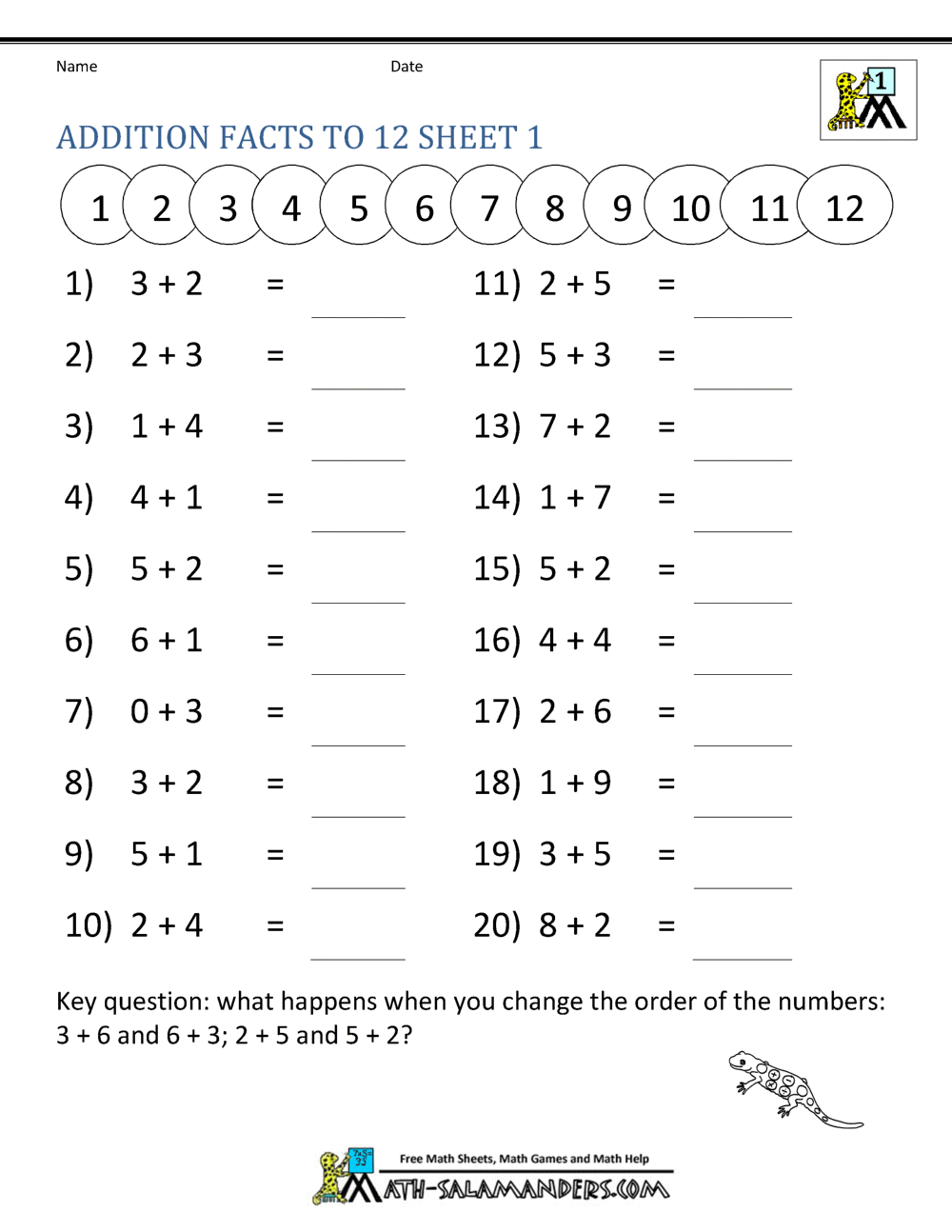
Learning Addition Facts To 12
Introduction to Addition Facts
When introducing addition facts to grade 1 students, it’s essential to start with simple concepts, such as adding numbers up to 10. You can use visual aids like number lines or hundreds charts to help them understand the relationship between numbers. For example, you can show how 2 + 2 equals 4 by counting blocks or using fingers. As they become more confident, you can gradually introduce more complex addition facts, such as adding numbers up to 20.
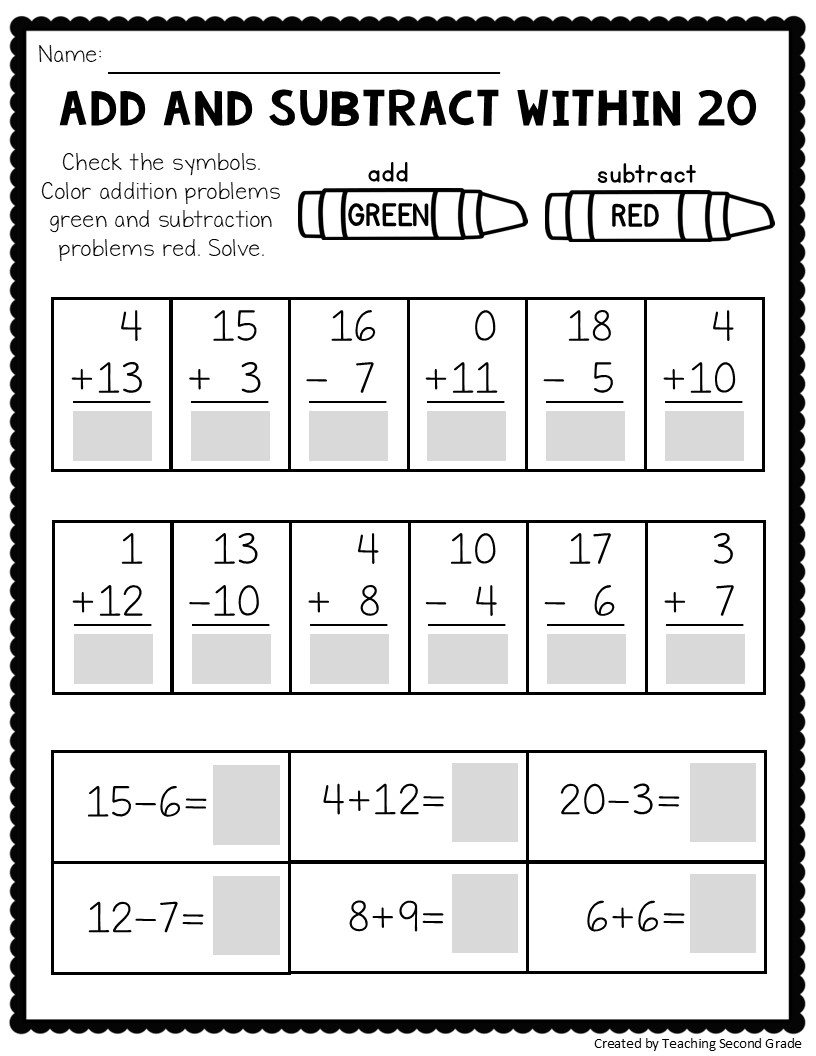
Addition And Subtraction Facts To 20 Worksheets Math Worksheets 1st 2nd Grade Teaching Ideas Made Easy
Practicing Addition with Real-Life Examples
Practicing addition with real-life examples is an effective way to help grade 1 students apply their math skills to everyday situations. For instance, you can ask your child to add the number of toys they have in their toy box or the number of fruits in a basket. This approach helps them see the relevance of addition in real-life scenarios and makes learning more meaningful. You can also create simple word problems, such as ‘If I have 3 pencils and I get 2 more, how many pencils do I have now?’
Making Addition Fun with Games and Activities
Making addition fun with games and activities is a great way to motivate grade 1 students to practice their math skills. You can create a simple addition game using flashcards or a deck of cards, where players take turns drawing cards and adding the numbers. There are also many online resources and apps available that offer interactive addition games and activities. Additionally, you can incorporate addition into daily routines, such as counting the number of steps it takes to walk from one room to another or the number of spoons needed to set the table.
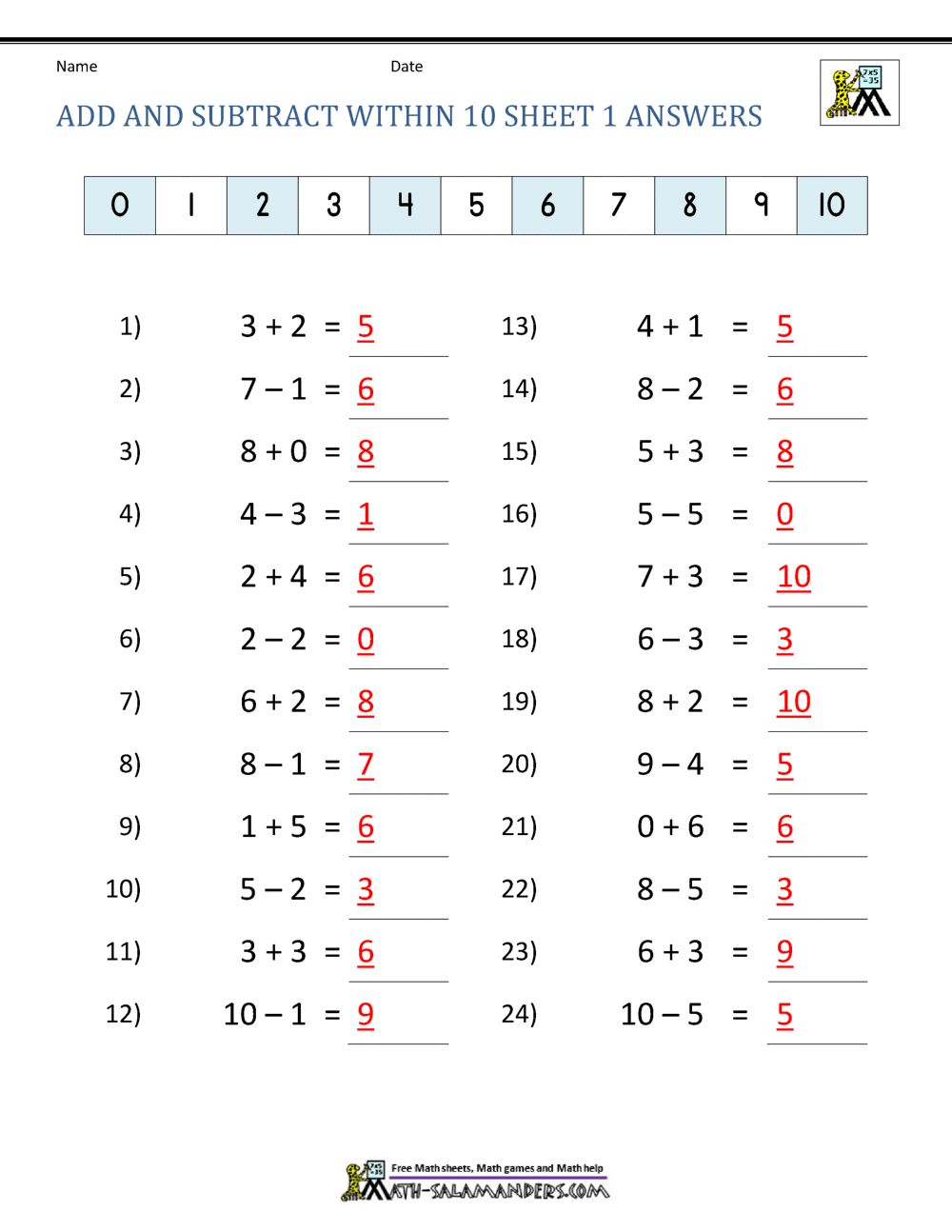
First Grade Addition And Subtraction Facts To 12
By providing a supportive and engaging learning environment, you can help your child master addition facts and develop a strong foundation in math. Remember to be patient, encouraging, and celebratory of their progress, no matter how small. With consistent practice and review, your child will become more confident in their ability to solve addition problems and develop a lifelong love for learning math.
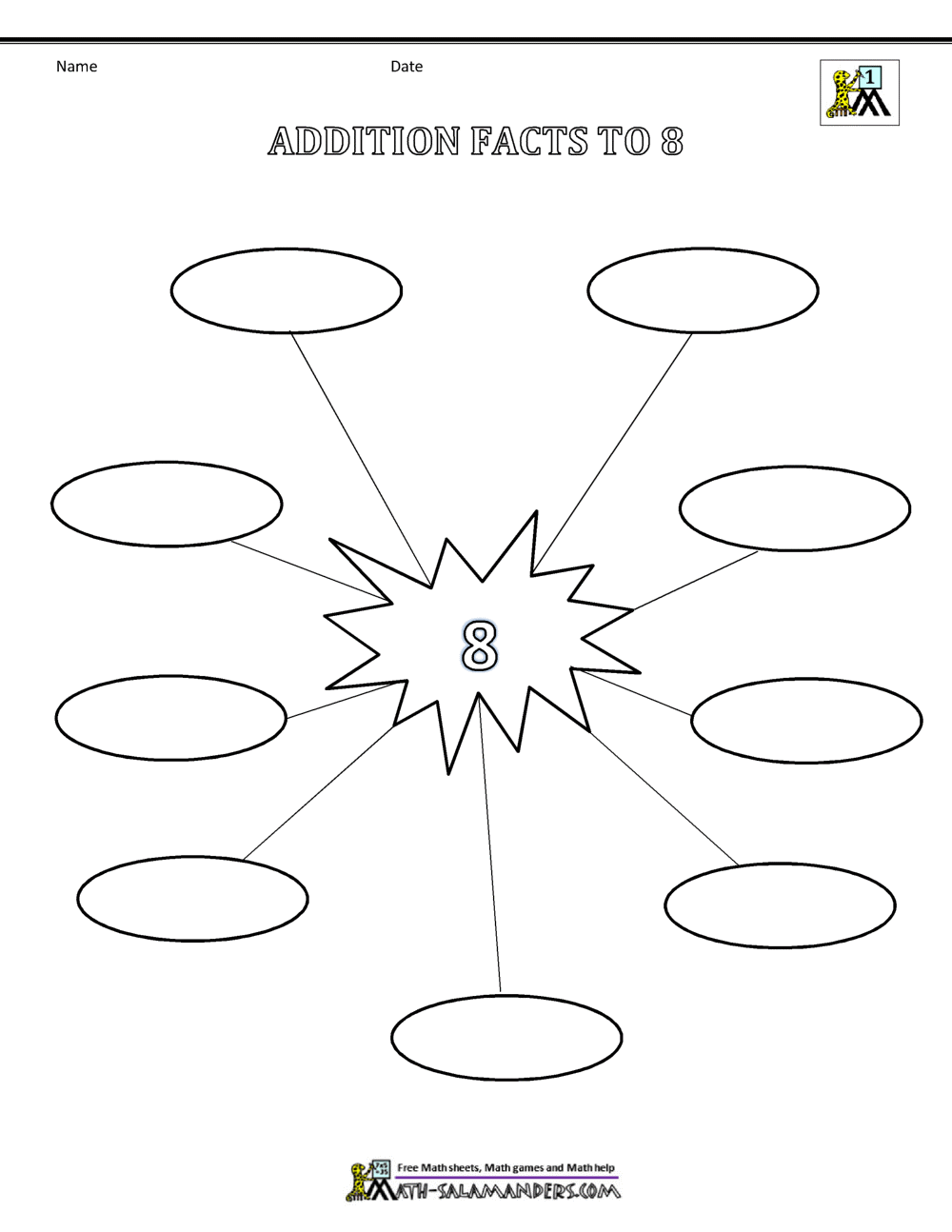
Addition Fact Practice 1st Grade
Addition Facts To 20 Worksheets