Kindergarten is a critical time for children to develop their math skills, and addition facts are a fundamental concept that lays the groundwork for future math success. At this age, children are beginning to understand the relationship between numbers and are learning to count, compare, and combine sets of objects. Addition facts for kindergarten are designed to be simple, yet engaging, and are typically introduced through play-based activities and visual aids.
As children progress through kindergarten, they are expected to demonstrate an understanding of basic addition concepts, such as counting on, basic addition vocabulary, and simple number sentences. To support this learning, teachers and parents can use a variety of strategies, including number lines, counting blocks, and addition worksheets. The key is to make learning fun and interactive, using games, songs, and hands-on activities to help children develop a strong foundation in math.
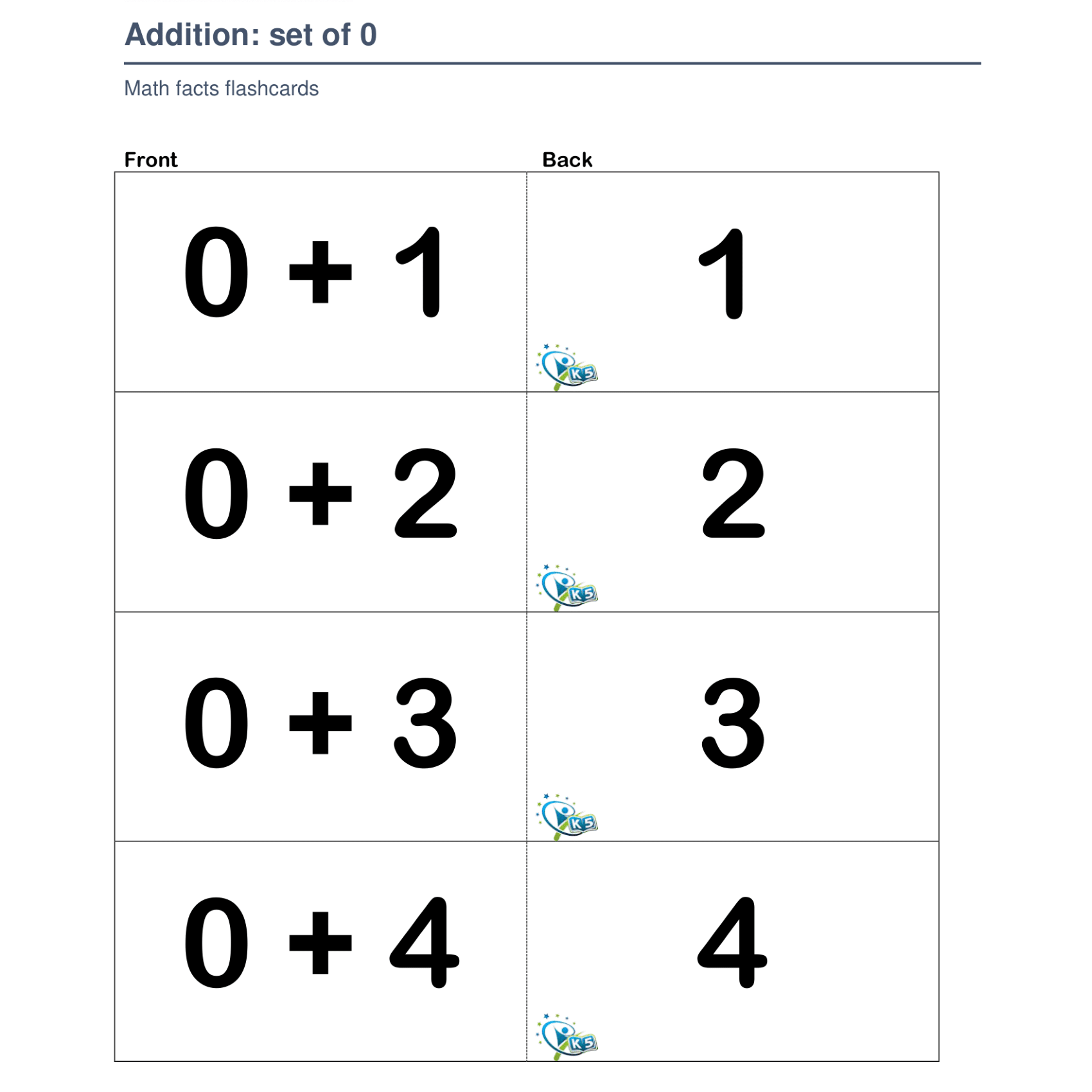
Addition Flashcards Master Basic Math Facts Made By Teachers
Introduction to Addition Facts
When introducing addition facts to kindergarten students, it’s essential to start with simple concepts and gradually build complexity. This can be achieved by using visual aids, such as number lines and counting blocks, to demonstrate basic addition concepts. For example, using counting blocks to show that 2 + 2 = 4 can help children understand the concept of combining sets of objects. As children become more confident, they can begin to practice addition facts with simple number sentences, such as 1 + 1 = ?
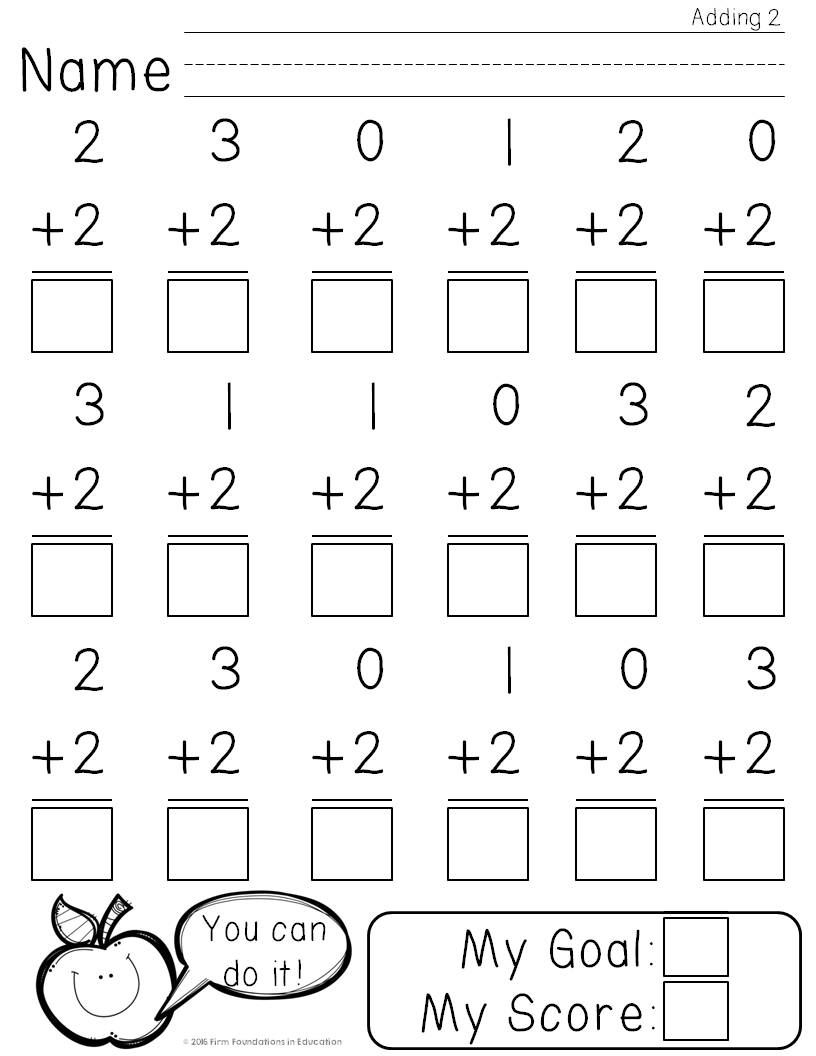
Timed Math Facts Practice Addition Subtraction Multiplication Division Set
Making Addition Fun with Games
Making addition fun with games is an excellent way to engage kindergarten students and help them develop a love for math. Games like ‘Addition War’ and ‘Math Bingo’ can be adapted for young children, using simple number sentences and visual aids to support learning. For example, ‘Addition War’ can be played with a deck of cards, where children take turns drawing cards and adding the numbers together. The child with the highest total wins the round, making it a fun and interactive way to practice addition facts.
Practicing Addition with Real-Life Examples
Practicing addition with real-life examples is an effective way to help kindergarten students apply their math skills to everyday situations. For example, if a child has 2 toy cars and their friend gives them 1 more, they can use addition to find the total number of cars they now have. This can be demonstrated using visual aids, such as counting blocks or number lines, to show that 2 + 1 = 3. By using real-life examples, children can begin to see the relevance of addition facts and develop a deeper understanding of math concepts.
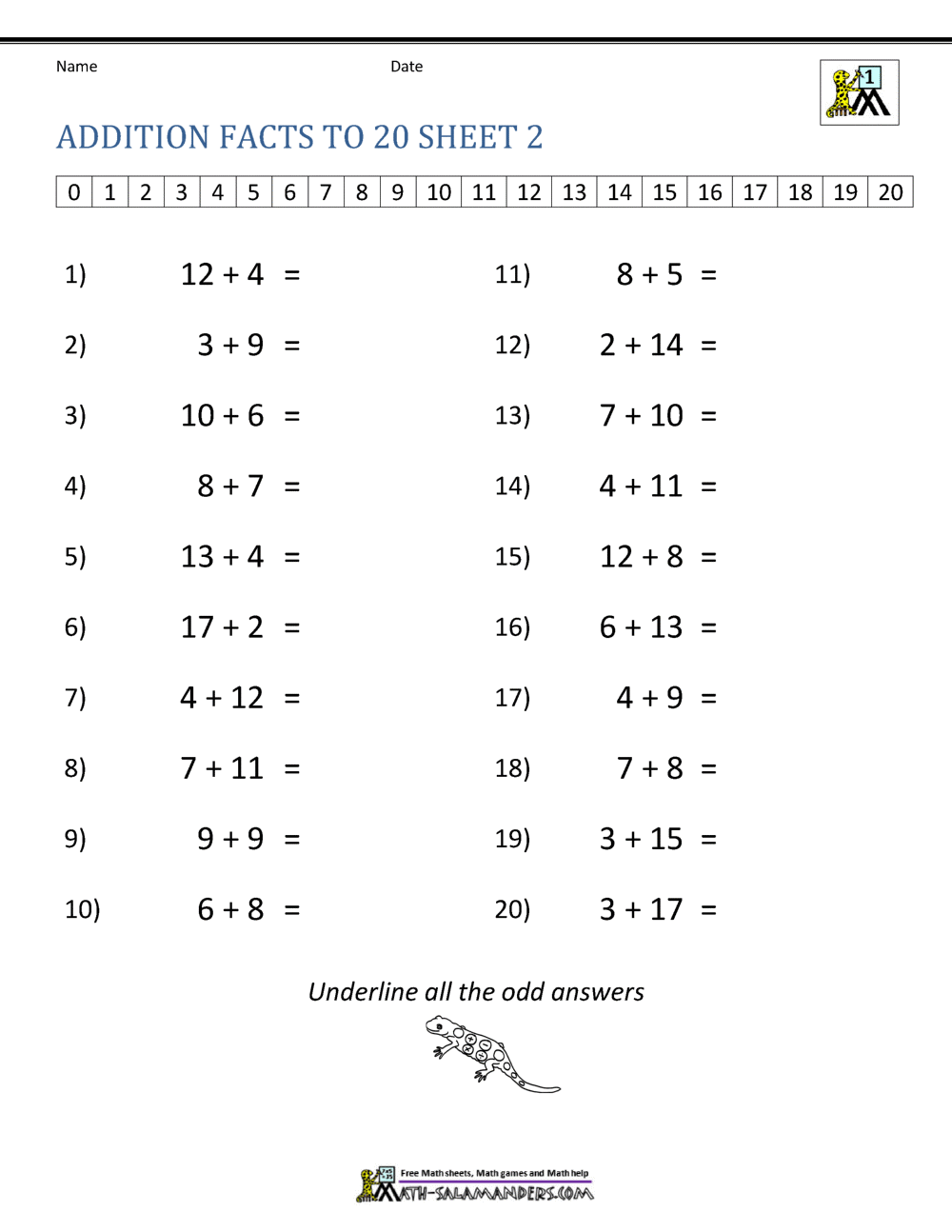
Addition Facts To 20 Worksheets
As kindergarten students become more confident in their addition skills, they can begin to apply their knowledge to more complex math problems. This can include using addition to solve simple word problems, such as ‘If I have 5 pencils and I add 2 more, how many pencils do I have now?’ By using visual aids and real-life examples, children can develop a strong foundation in math and build a love for learning that will last a lifetime.
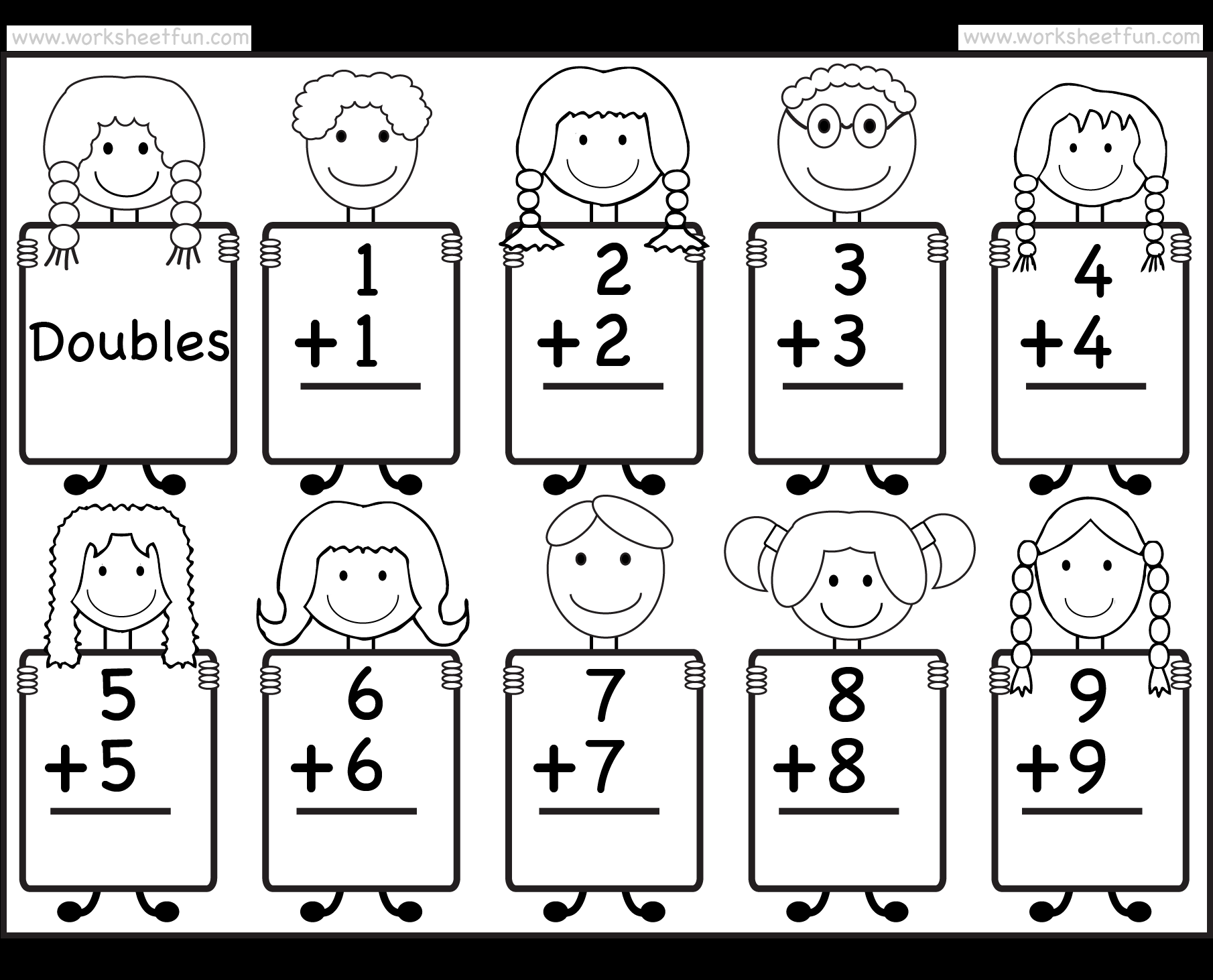
Addition Doubles Facts Beginner Addition Worksheet FREE Printable Worksheets Worksheetfun
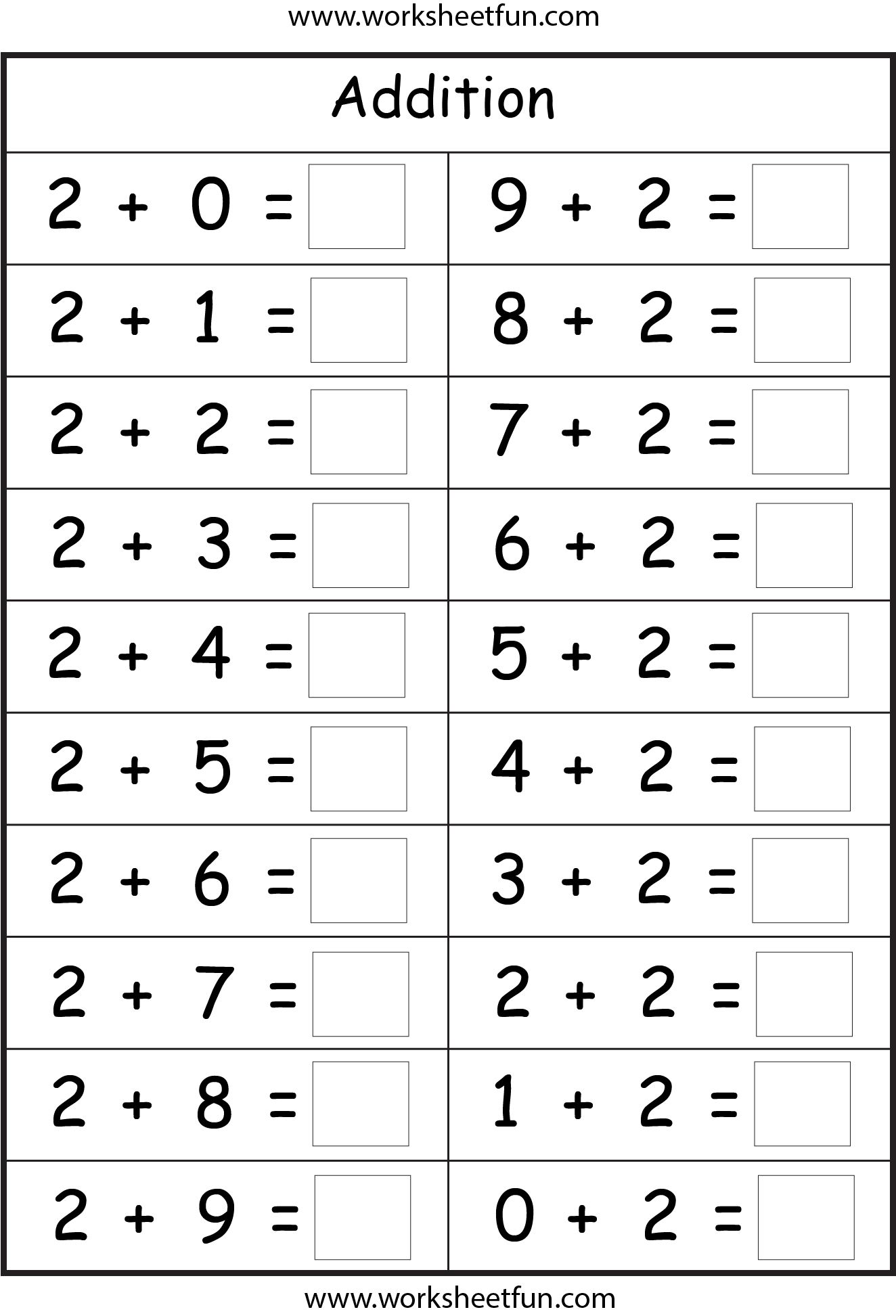
Basic Addition Facts 8 Worksheets FREE Printable Worksheets Worksheetfun