Teaching drawing to kids is an excellent way to encourage creativity, self-expression, and fine motor skills development. Drawing is a fundamental skill that can benefit children in many ways, from improving their hand-eye coordination to enhancing their problem-solving abilities. By introducing kids to drawing at a young age, parents and educators can help them develop a lifelong love for art and creativity.
As a parent or teacher, you may wonder where to start when it comes to teaching drawing to kids. The good news is that you don’t need to be a skilled artist yourself to help children learn and enjoy drawing. With a few simple materials and some guidance, kids can begin to explore the world of art and develop their drawing skills. From crayons and markers to paints and colored pencils, there are many tools available to help kids express their creativity and bring their imagination to life.
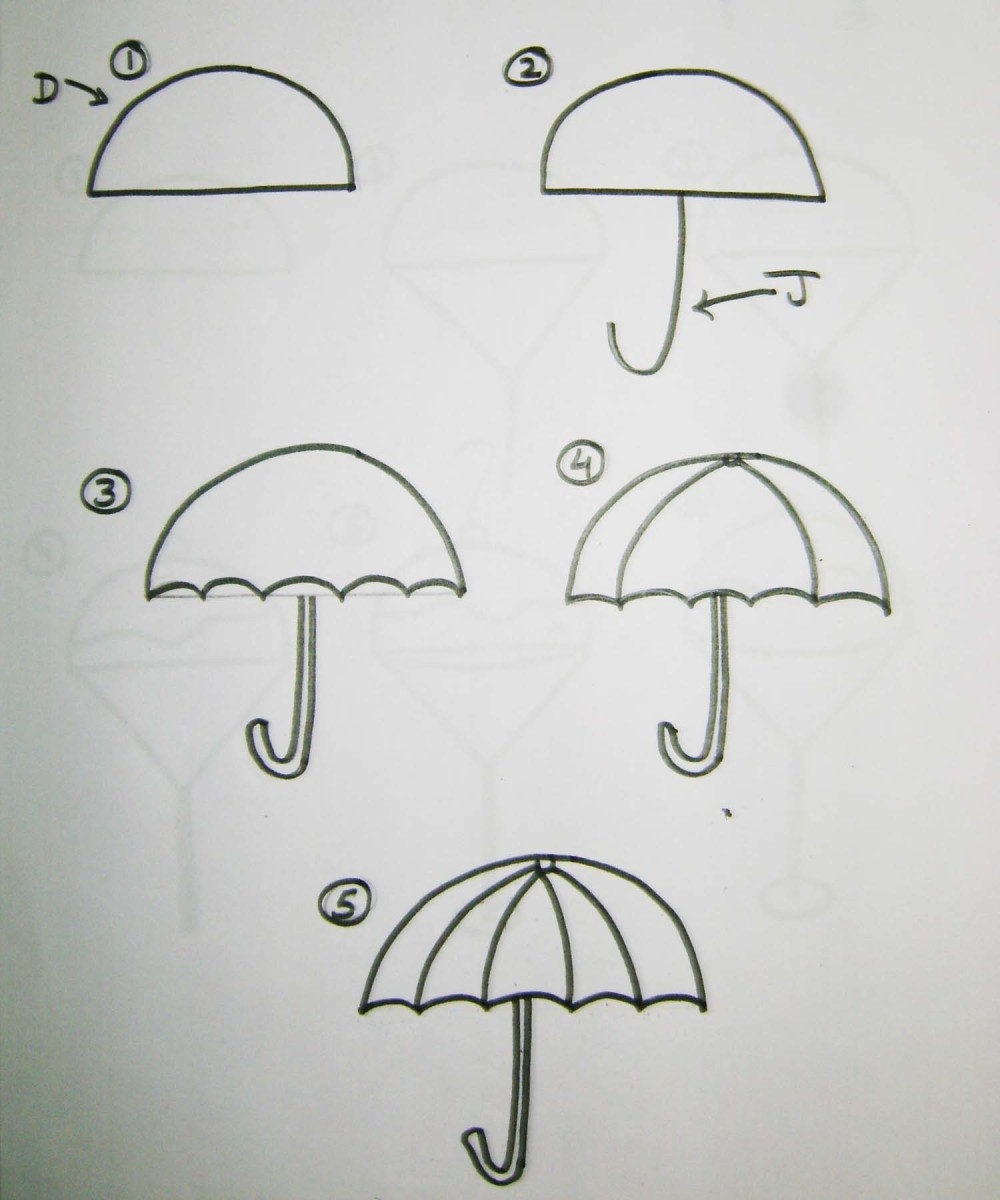
How To Teach Kids To Draw Using The Alphabet HubPages
Benefits of Teaching Drawing to Kids
Teaching drawing to kids offers numerous benefits, including improved cognitive skills, enhanced creativity, and better communication skills. When children draw, they develop their fine motor skills, hand-eye coordination, and dexterity. Drawing also helps kids express their emotions, thoughts, and ideas, which can be especially helpful for those who struggle with verbal communication. Moreover, learning to draw can boost a child’s confidence and self-esteem, as they see their creations come to life and receive positive feedback from others.
Teaching Kids To Draw Observation Advice
Simple Techniques for Teaching Drawing
When it comes to teaching drawing to kids, simplicity is key. Start with basic shapes, lines, and colors, and gradually introduce more complex techniques as the child becomes more confident. Use visual aids, such as pictures and videos, to demonstrate different drawing styles and inspire creativity. You can also try using fun and interactive drawing games, such as ‘draw what I describe’ or ‘copy the picture,’ to make learning more engaging and enjoyable. Remember to praise and encourage the child’s efforts, even if their drawings don’t turn out as expected – the goal is to have fun and learn together!
Making Drawing Fun and Engaging
Making drawing fun and engaging is crucial when teaching kids. One way to do this is to incorporate their interests and favorite themes into the drawing activity. For example, if a child loves animals, you can suggest drawing their favorite pet or a fantasy creature. You can also try using different materials and textures, such as glitter, stickers, or colorful paper, to add an extra layer of excitement to the drawing process. Additionally, consider setting up a dedicated art space or ‘drawing station’ where kids can freely express themselves and explore their creativity without worrying about making a mess.
Teaching Kids To Draw Observation Advice
By following these tips and techniques, you can help kids develop a love for drawing and creativity that will last a lifetime. Remember to be patient, supportive, and encouraging, and to celebrate their unique talents and abilities. With time and practice, kids will become more confident in their drawing skills and develop a greater appreciation for the arts. So why not get started today and discover the joy of teaching drawing to kids?
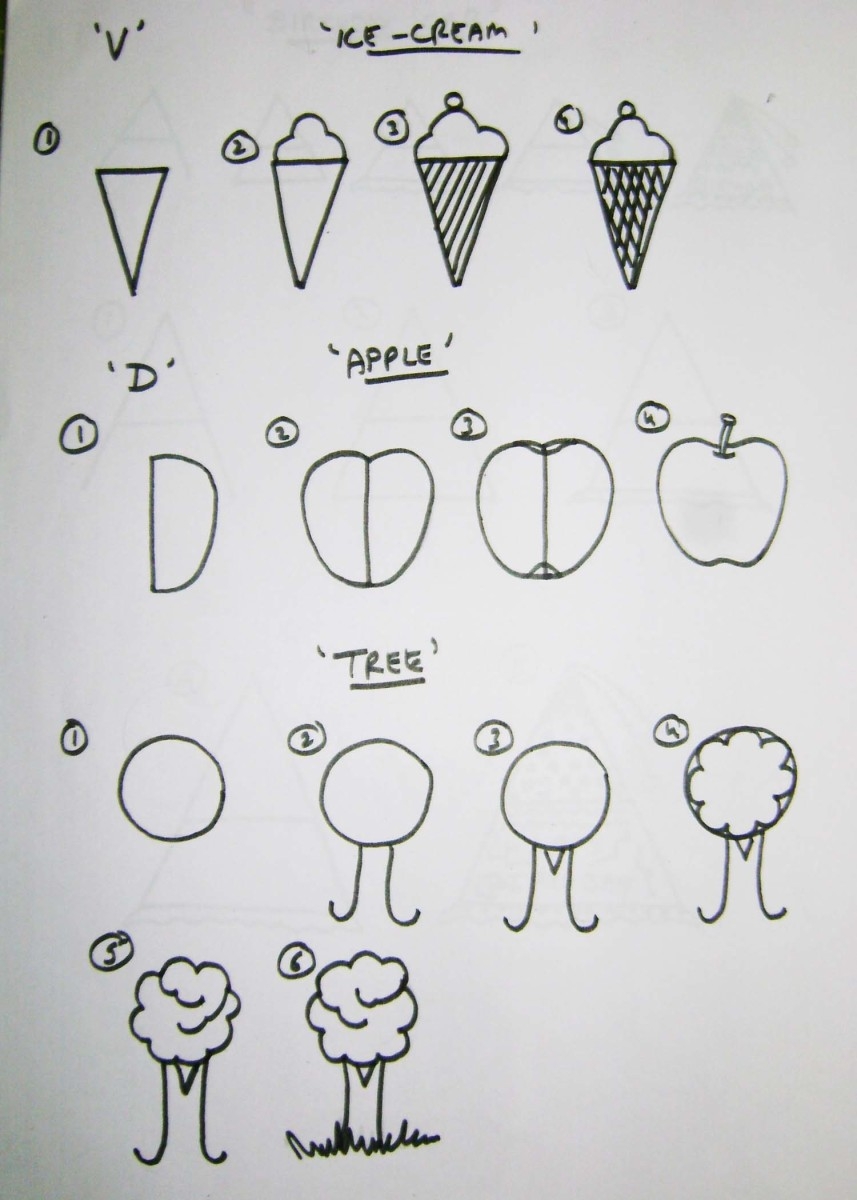
How To Start Teaching Drawing To Kids HubPages
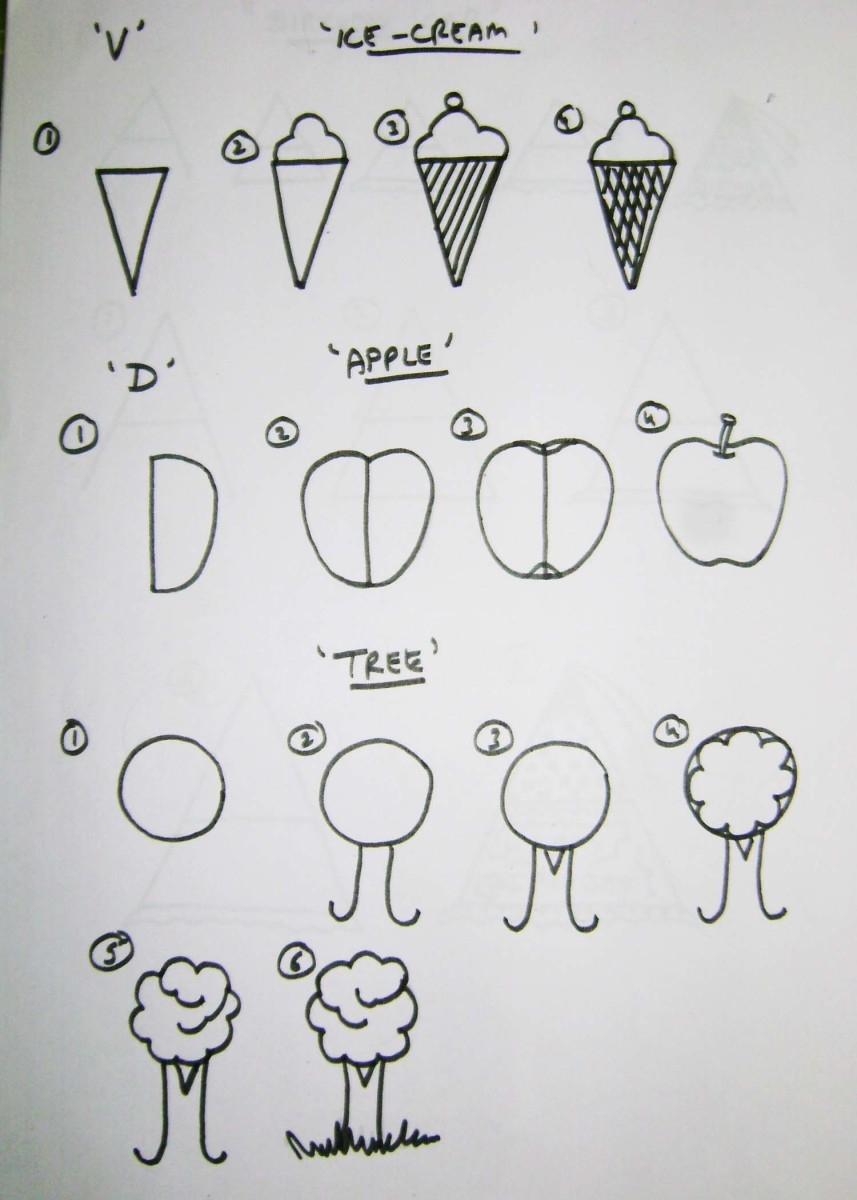
How To Start Teaching Drawing To Kids HubPages